Spa’s penalty puzzle: how new grid drops reshape the Belgian GP start
Week 28, 2026
Isack Hadjar and Lance Stroll are set for grid penalties at Spa, adding another layer of uncertainty to the Belgian Grand Prix weekend and potentially reshaping midfield strategy, traffic and overtaking.
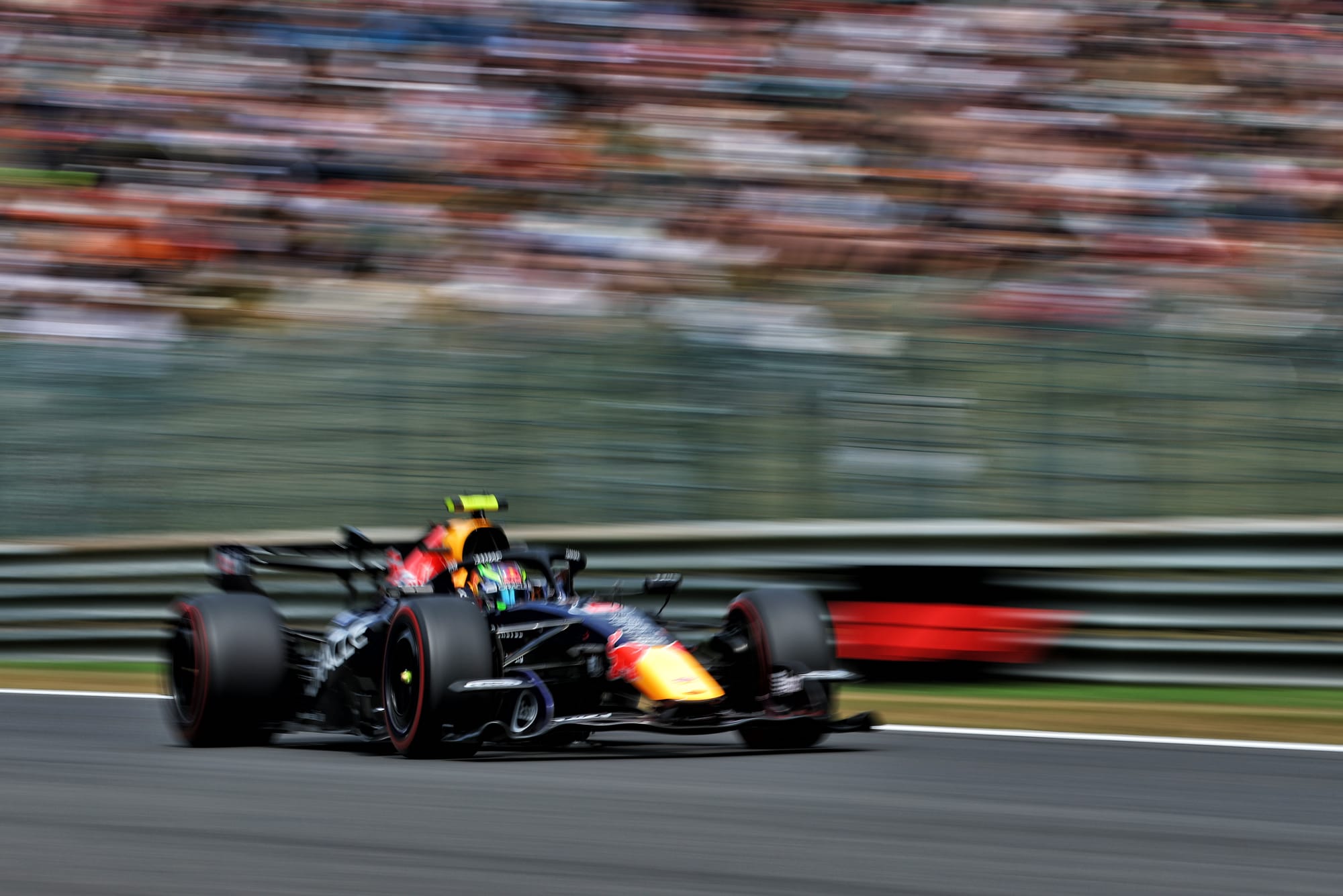
Spa has a way of turning penalties into race-shaping variables rather than simple paperwork. The Race reports that Isack Hadjar and Lance Stroll will both take grid penalties for the Belgian Grand Prix, adding another layer of uncertainty to a weekend already defined by the unique demands of a long, fast circuit where track position still matters even when overtaking is possible. At Spa, a penalty does not just change where a driver starts; it can alter the rhythm of the entire race, especially if the field is closely matched and the front-runners are not far away from the midfield in pace.
That is why the effect of these penalties goes beyond the two drivers themselves. Hadjar and Stroll are both likely to be fighting from less than ideal positions on Sunday, and that immediately changes how their teams may think about strategy. A grid drop at Spa can push a driver into heavier traffic, where the decision is no longer simply about raw speed but about whether to preserve tyres, extend a stint, or gamble on cleaner air later. If a car is quick enough to recover, the team may lean into an aggressive approach. If not, the race can become more about damage limitation and avoiding getting stuck behind slower cars in the crucial early phases. The simple fact that both drivers are taking penalties means other teams will also have to account for where those cars may rejoin the fight, because even one compromised starting position can affect pit windows and the timing of a pass.
For the midfield, this is especially significant. Spa is one of those circuits where traffic can punish you very quickly: the long straights create overtaking chances, but the high-speed corners and the importance of DRS timing mean a driver can spend several laps setting up a pass that never quite arrives. Once a car is trapped behind a rival with similar performance, the loss is not only in position but in tyre life and strategy flexibility. That makes the penalties for Hadjar and Stroll more than individual setbacks. They reshuffle the pack around them and create opportunities for other midfield teams that may be able to profit from the disruption. Even if neither driver is expected to challenge the very front of the field, where they land after the penalties could still have a meaningful knock-on effect on which teams are able to attack or defend in the opening stint.
The race shape also matters because Spa often rewards drivers and teams that are alert to changing conditions and small tactical advantages. A clean run through traffic can be decisive; so can a well-timed pit stop or an overcut/undercut attempt that lands just as a penalty-hit rival is trying to recover. Even without any extra information beyond the penalties themselves, the implication is clear: the teams around Hadjar and Stroll will have to read the opening laps carefully. If those two end up starting deep in the pack, other midfield runners may find themselves defending less and attacking more, because the penalty-induced reshuffle can open gaps and create unusual passing windows. The deeper one of these drivers falls, the more likely it becomes that the cars around them will be forced to decide between sticking to their own plan or reacting to the traffic the penalties create.
Subscribe to continue reading the full story.
Unlock access